

Rolfing® Structural Integration in Boulder, Colorado
Rolfing for Pain, Posture, Performance and Movement Education in Boulder
Boulder’s Body Culture Deserves Smarter Care
Boulder attracts people who live in their bodies — runners, climbers, cyclists, yogis, trail athletes, and people who care deeply about staying mobile, resilient, and pain-free well into the second half of life.
At Aligned Body Integration, we offer Rolfing® Structural Integration in Boulder for people seeking long-term relief from pain, improved posture, and better movement.
Whether you're hiking the Flatirons, training on Boulder’s trails, or spending long hours at a desk, Rolfing helps restore balance by working with fascia — the connective tissue that shapes posture, alignment, and how your body responds to gravity. If you’re searching for Rolfing in Boulder, you’re likely looking for real change, not temporary relief. Rolfing works by addressing habitual patterns in posture and movement that quietly shape pain over time. This approach helps ease pain, restore alignment, and improve physical and emotional well-being so daily life feels lighter and more sustainable. Working with a Certified Rolfer means working with a practitioner trained in advanced anatomy, structural integration methodology, and precise hands-on assessment.
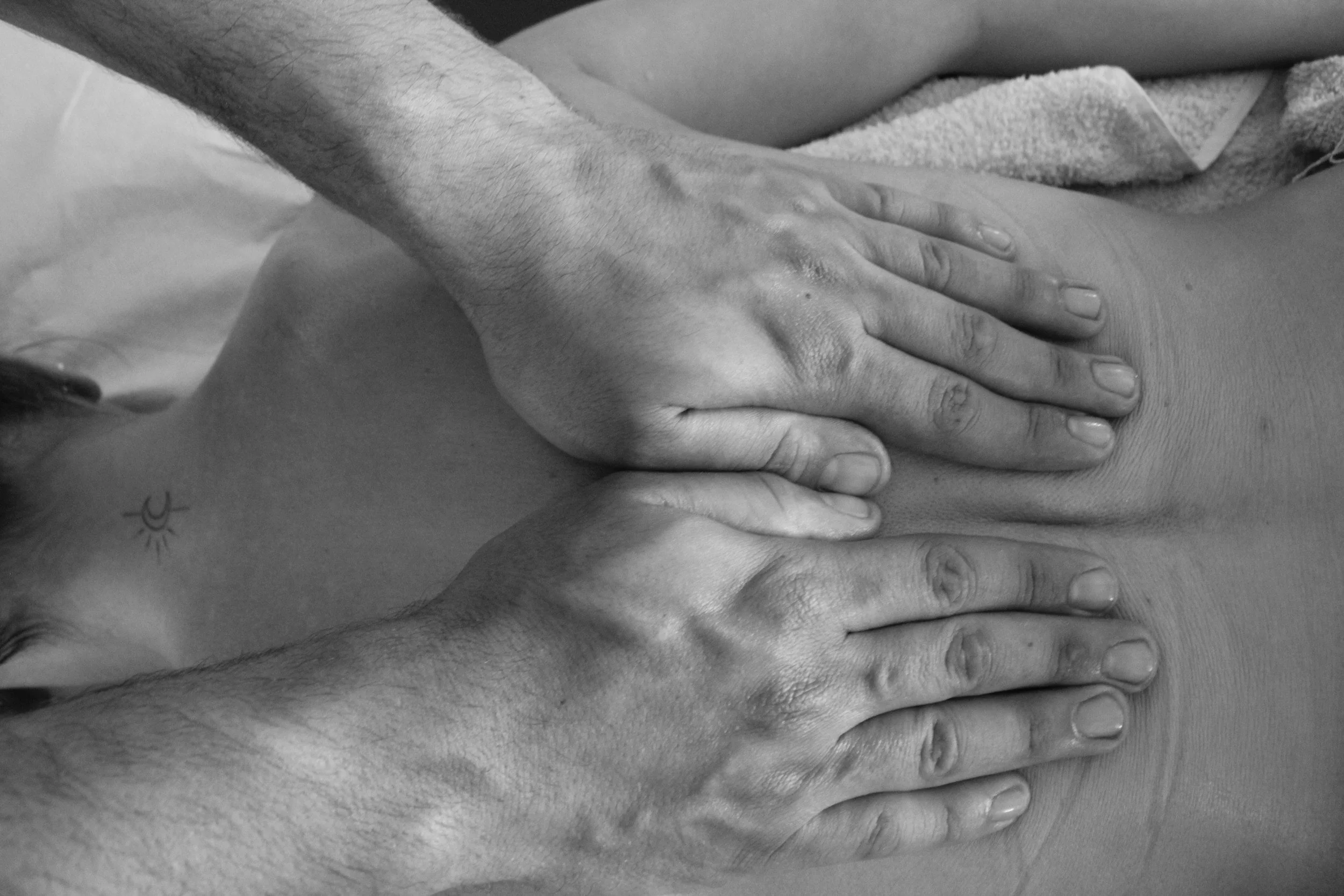
What Is Rolfing® Structural Integration?
Rolfing Structural Integration is a hands-on therapy developed by Dr. Ida Rolf to improve how the body organizes itself in gravity. This method is often referred to as Rolfing SI (Structural Integration) and focuses on how the body’s underlying structure organizes itself in gravity. When structure improves, the body’s form becomes more resilient and adaptable.
Rolfing was developed by Dr. Ida Rolf, whose work formed the foundation of modern Structural Integration. Her research focused on how gravity affects the human body and how restoring balance to the structure improves function, posture, and overall quality of life.
Rather than treating individual symptoms, Rolfing works with the larger system — restoring alignment, improving coordination, and freeing long-held tension patterns in the connective tissue network.
At its core, Rolfing focuses on:
Improving structural balance
Enhancing postural alignment
Increasing movement efficiency
Reducing chronic pain patterns
Restoring adaptability to the nervous system
It is not massage.
It is not physical therapy.
It is structural change.

How Rolfing Is Different from Massage and Physical Therapy
Unlike primary care approaches or physical therapy, Rolfing emphasizes how the entire body system responds to force and movement over time. It is a hands-on process that supports structural change, not just symptom management.
Massage helps muscles relax.
Rolfing changes how your body organizes itself.
Massage works locally.
Physical therapy often focuses on rehabilitation and exercises.
Rolfing works globally — addressing the connective tissue matrix that determines posture, tension patterns, and how force travels through your body.
Rolfing sessions integrate:
Deep fascial work
Nervous system regulation
Postural education
Movement awareness
Long-term structural re-patterning
It’s not a short-term fix.
It’s an investment in how your body functions for decades.
Structural Integration and Daily Life
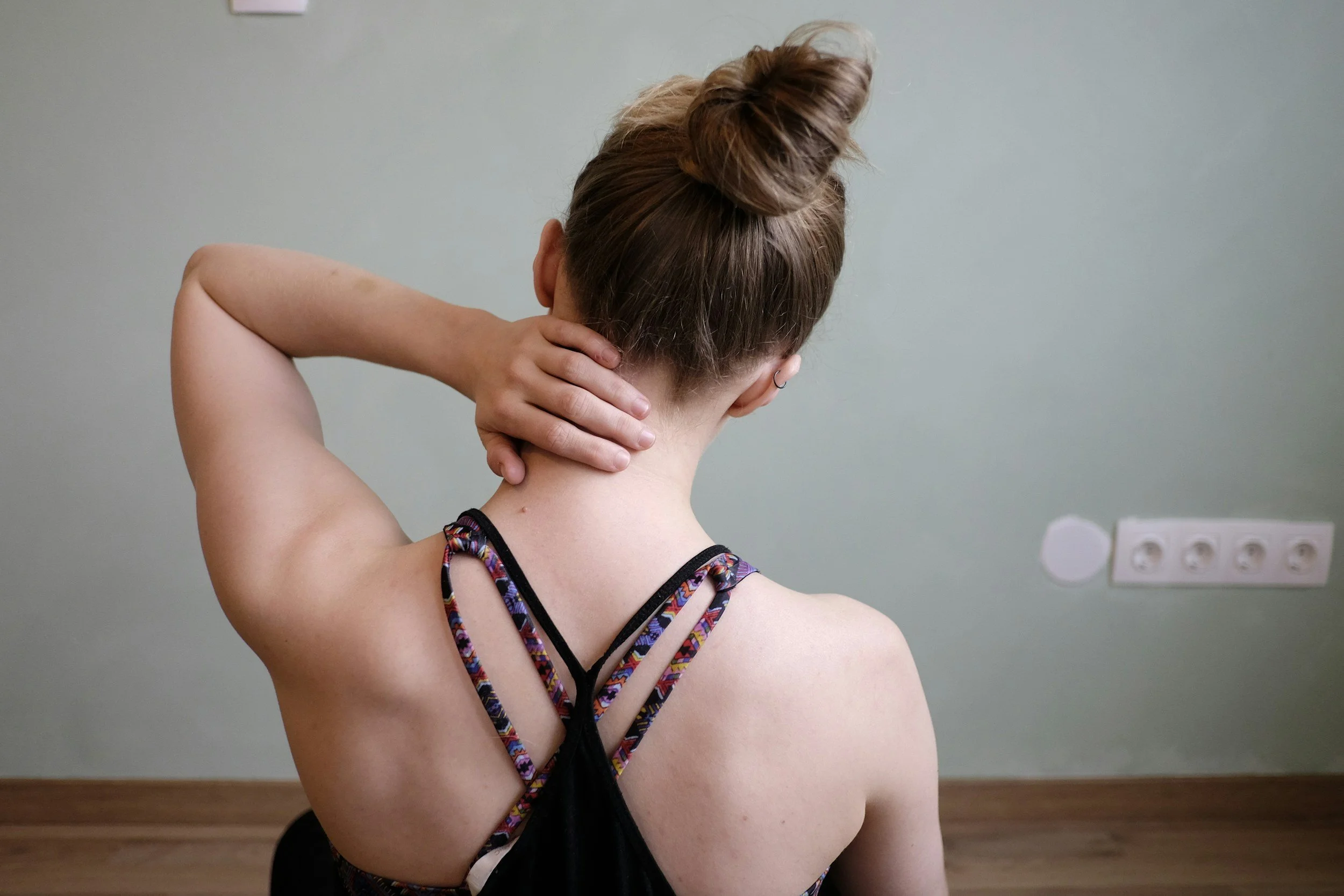
Most people adapt their bodies silently for years before pain becomes loud. Habitual patterns built through work postures, athletic strain, injury, and stress influence how you sit, walk, breathe, and sleep. Rolfing helps recognize those patterns and correct them so daily activities require less effort and cause less discomfort.
What Happens in Your First Rolfing Session?
Your first session begins with a conversation.
We assess how your body moves, stands, and compensates — not just where it hurts.
During the session you’ll experience:
Targeted fascial work
Guided movement awareness
Hands-on re-patterning
Structural assessment
Nervous system recalibration
Many clients notice improvement immediately — but real change unfolds over time as the body reorganizes itself.
What Your Practitioner Looks For
During your first session, your practitioner assesses movement patterns, alignment, breath capacity, and how force transfers through the body. Attention is given to posture, joint function, and how the fascia integrates with muscles, bones, and the nervous system.
Common Reasons Boulder Clients Seek Rolfing.
Rolfing is especially helpful after surgery when movement restriction, scar tissue, or abnormal compensation patterns remain. It also supports people experiencing long-term strain from overuse or postural stress.
We frequently work with clients navigating recovery after surgery, long-term strain from movement repetition, or unresolved pain patterns from past injuries. Rolfing supports healing by improving structural integrity and restoring healthy flow through the body.
Rolfing in Boulder is commonly sought for:
Chronic neck and shoulder tension
Low-back pain and compression
Hip or knee pain from running or climbing
Post-surgical restriction
Traumatic injuries
Postural collapse from desk work
Breathing pattern restriction
Chronic stiffness despite massage or stretching
Nervous system overload and fatigue
We treat causes, not just symptoms.

Rolfing and the Nervous System
Rolfing does not just work with muscles and posture. It works with the nervous system.
The body’s movement patterns, tension habits, and protective responses are driven by the nervous system. Injury, chronic stress, surgery, and unresolved trauma all influence how the body organizes itself in gravity.
Over time, this can create:
• elevated tone in the tissues
• restricted breathing
• guarded movement
• poor recovery from injury
• chronic pain cycles
• fatigue and nervous system overload
Rolfing supports nervous system regulation by improving how the body:
• senses position and movement
• modulates tension
• responds to pressure and load
• coordinates breathing and posture
• exits защит / protective holding patterns
By working directly with the connective tissue system and incorporating awareness-based movement, Rolfing helps the body:
• feel safer
• breathe more fully
• move more freely
• reset inefficient patterns
• reduce unconscious guarding
The result is not just improved alignment – it is a body that feels calmer, more stable, and easier to live inside.
Scott & Carolyn — Boulder Rolfing Specialists
Our Boulder clients value being met as individuals — not case numbers.

-
Carolyn specializes in structural and lymphatic work for clients needing precision, care, and nervous-system-aware treatment. Her sessions focus on resolving long-standing tension patterns, improving fluid movement through the tissues, and supporting sustainable change rather than temporary relief.
Carolyn works with clients experiencing:
• post-surgical recovery and swelling
• structural strain and joint discomfort
• nervous system dysregulation
• lymphatic congestion and inflammation
• chronic tightness and fatigue
• sensitivity following injury or illnessHer training includes advanced work in Lymphatic Drainage Therapy, Brazilian Lymphatic Massage, and Visceral Manipulation, making her especially skilled in supporting internal systems alongside structural alignment.
Clients often choose Carolyn when they want work that feels deeply restorative while still being structurally effective. Her sessions are known for being precise, calming, and profoundly grounding.
Carolyn combines technical skill with intuitive awareness, allowing her to meet each body where it truly is rather than applying a one-size-fits-all approach.
-
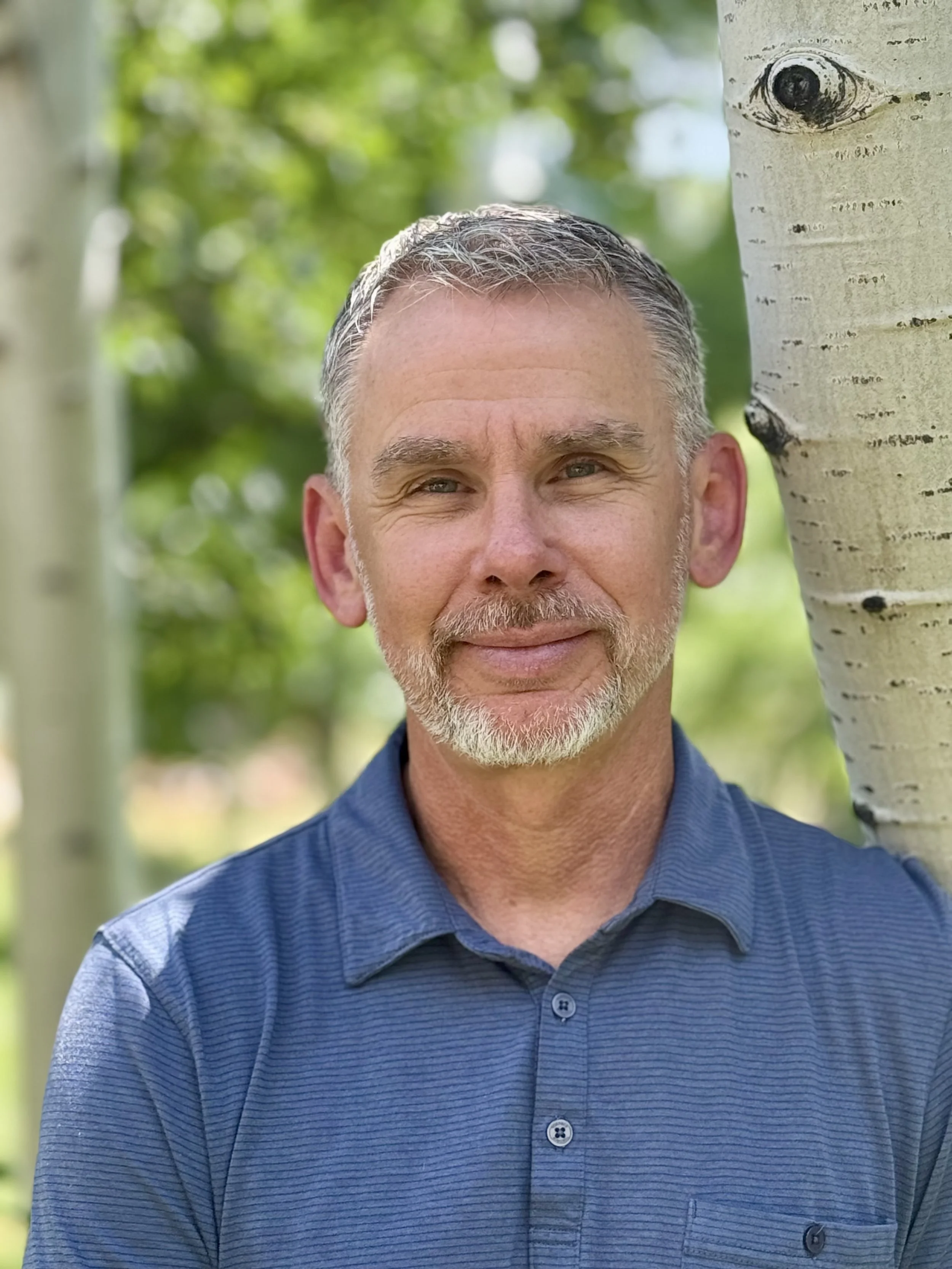
Scott specializes in:Chronic pain conditions
Athletic injury recovery
Structural dysfunction
Postural correction
Craniosacral therapy
Trauma-informed care
His work is direct, grounding, and skilled — focused on restoring the body’s structural intelligence. Scott also integrates cranial sacral principles where appropriate to support nervous system regulation and deeper release. Each session is guided by an experienced practitioner trained in structural integration and movement awareness. Scott also works with clients experiencing pain related to chronic strain, old trauma, and post-injury adaptations. His sessions help relieve pressure from overworked areas and restore clarity to the body’s structural system.
Book a Rolfing session in Boulder
Our Boulder studio provides a calm, focused environment for structural work that supports real change and sustainable results. Many of our Boulder clients come to us after trying massage, chiropractic care, or physical therapy without lasting results.
If you live in Boulder and want to address pain, posture, and movement at the source:

📍 Boulder, Colorado
📞 (720) 819-7920
📧 info@alignedbodyintegration.com
Schedule your appointment today and begin restoring comfort, mobility, and natural flow in your body.